How to Train a Puppy: A Calm, Step-by-Step Start
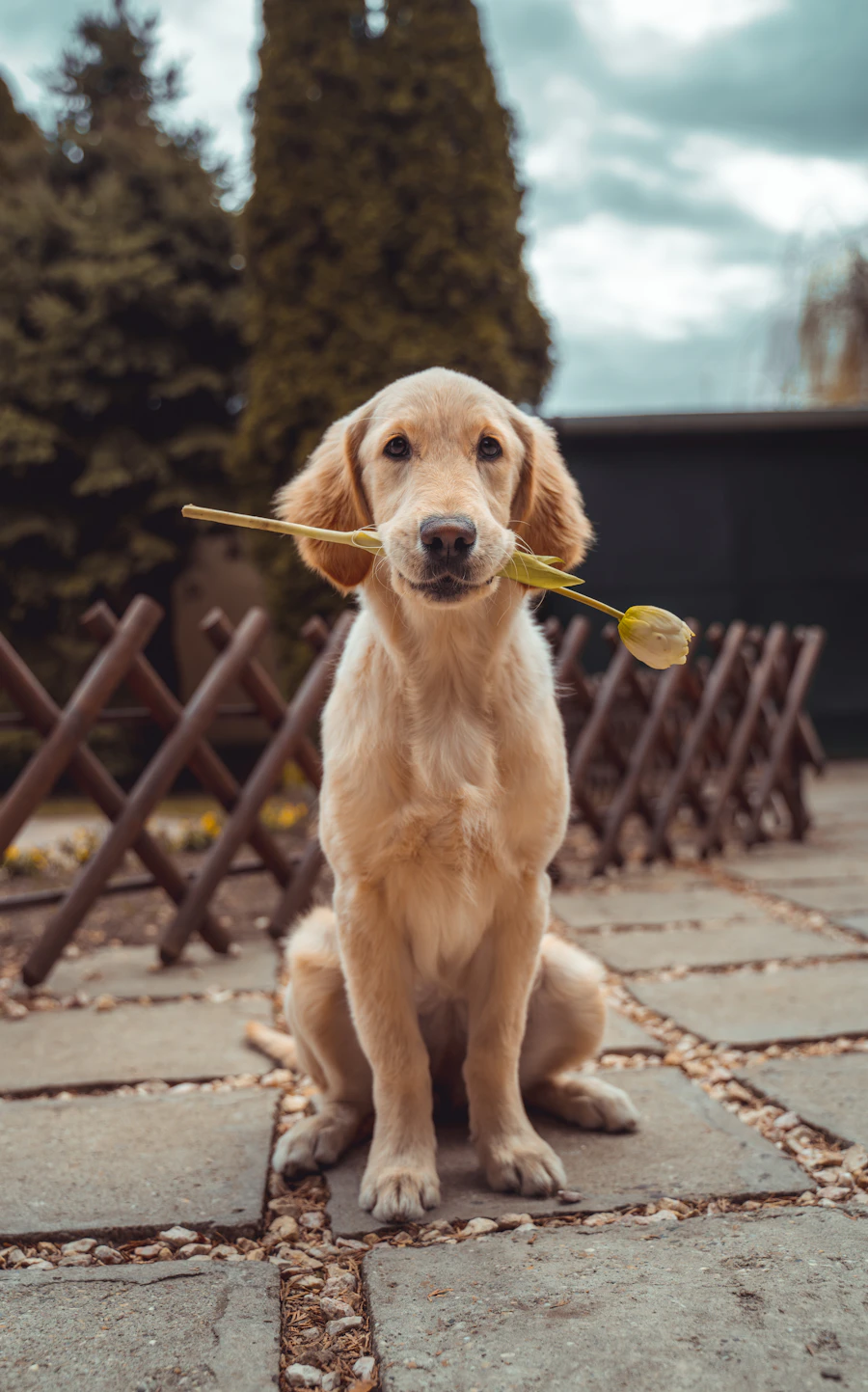
Training a puppy is less about commands and more about routine. Puppies learn fastest when the same small things happen the same way, every day — and when good behaviour earns something nice. This guide covers the first eight weeks: toilet training, crate training, recall, loose-lead walking and socialisation, in short sessions a busy owner can actually keep up.
The golden rule is simple: reward what you like, prevent what you do not, and never punish a puppy for being a puppy. Shouting and scolding do not teach; they teach a puppy to be nervous around you. Calm, consistent training builds a confident adult dog.
Start with a routine, not a command
Before you teach "sit", set the day up. Puppies thrive on predictability: meals at the same times, toilet breaks after waking, eating, playing and napping, and sleep in the same quiet spot. A puppy that knows what happens next is a puppy that can relax — and a relaxed puppy learns faster.
Keep training sessions tiny: five minutes, two or three times a day. End while your puppy is still keen, not when they are tired and failing. Ten good repetitions beat fifty sloppy ones.
Toilet training: the boring secret is frequency
Take your puppy outside far more often than you think necessary — after every meal, after every nap, after every play session, and once during the night for very young puppies. Go to the same spot, wait quietly, and the moment they go, praise warmly and offer a small treat.
Accidents will happen. When they do, clean up without a fuss and move on. Never rub a puppy's nose in a mess or scold after the fact — they cannot connect your anger to something that happened minutes ago. Prevention (more trips outside) is the whole method.
Crate training: make it the cosy den
A crate should feel like a bedroom, never a prison. Leave the door open, put a comfortable bed and a chew inside, and let your puppy wander in and out. Feed meals in the crate with the door open for the first few days, then close it for a few seconds, then a few minutes, building up slowly.
Never use the crate as punishment, and never leave a young puppy crated for long stretches during the day. As a rough guide, a puppy can comfortably hold on for about one hour per month of age — a three-month-old puppy needs a break roughly every three hours.
Recall: the most important thing you will ever teach
Recall — coming when called — keeps your dog safe. Start indoors, in a quiet room. Say your puppy's name, then "come" in a happy voice, and when they trot over, reward with a treat and a fuss. Practise a few times a day, then move to the garden, then to a quiet park on a long lead.
Two rules matter most. First, never call your puppy for something unpleasant, like a bath or the end of play — go and collect them instead, so "come" always means something good. Second, always reward the return, even if it took a while. A puppy that is scolded for coming slowly will simply stop coming.
Loose-lead walking and polite greetings
Start indoors or in the garden: take one step, reward your puppy for staying near your leg, take another step, reward again. When your puppy pulls, stop and wait. The moment the lead slackens, move forward again. It is slow at first — five minutes of stop-start walking teaches more than a whole walk of being dragged along.
For greetings, teach "four paws on the floor". When your puppy jumps up, turn away calmly and wait. The moment all four paws are down, say hello and offer attention. Visitors should do the same. Jumping is attention-seeking, and attention is the reward — so only calm paws earn it.
Socialisation: gentle exposure, not flooding
Between about eight and sixteen weeks, puppies are at their most open to new experiences. Introduce them gently to different sounds, surfaces, people, dogs and places — a few minutes at a time, always at your puppy's pace. A puppy that can watch the world from a safe distance and get treats for staying calm grows into a steady adult.
If your puppy freezes or hides, do not force it. Increase the distance, let them watch, and try again another day. Flooding a frightened puppy with too much, too soon, creates fear rather than confidence.
A simple daily training plan
- Morning: toilet break, breakfast in the crate, five minutes of "sit" and name recognition.
- Midday: toilet break, short garden play, two minutes of recall practice indoors.
- Afternoon: a short walk or garden exploration, loose-lead practice for five minutes.
- Evening: dinner, calm socialisation (a new sound or a quiet visitor), five minutes of "down" and "stay".
- Night: last toilet break, crate with a chew, lights low, no excitement.
Frequently asked questions
How long does it take to train a puppy?
The basics — toilet training, name, sit, recall — usually take four to eight weeks of consistent short sessions. Full reliability, especially off the lead, takes months. That is normal.
At what age should I start training a puppy?
Start the day your puppy comes home, usually around eight weeks. Early training is mostly routine, gentle handling and rewards — formal commands can wait a week or two.
What treats are best for puppy training?
Small, soft treats your puppy can eat in one second — tiny pieces of their normal kibble work well, or small training treats. Keep pieces pea-sized so training does not become a meal.